Addtime:2026-06-05 Hits:84
Leveraging its local resource advantages and industrial foundation, Maigaiti County in the Xinjiang Uygur Autonomous Region has adopted a development strategy focused on "expanding scale, improving quality, increasing efficiency, and optimizing structure." By prioritizing the development of the entire textile and garment industry chain as a key driver to revitalize the industry's internal vitality, the county is building a dedicated industrial cluster. This cluster serves as the primary engine for accelerating the local economy, steering the region steadily toward a path of "thriving industries, prosperous residents, and beautiful villages."
I. Promoting Large-Scale Cultivation to Solidify the Industrial Foundation
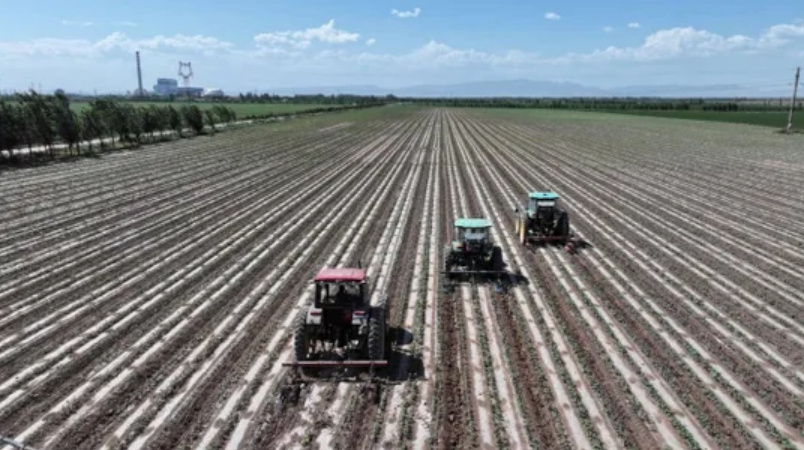
Adhering to the principles of balancing yield with quality and synchronizing scale with efficiency, the county has fully implemented initiatives to enhance cotton quality and profitability. It has pioneered an integrated production-and-sales model involving enterprises, cooperatives, and farmers. Support is provided to new types of agricultural entities—such as large-scale growers, agribusinesses, and specialized farmer cooperatives—to adopt large-scale planting, mechanized operations, and refined management practices. Currently, the proportion of large-scale cultivation has reached 85%, realizing the economic benefits of land-scale operations. Standardized production is carried out through leading enterprises and cooperatives, with vigorous promotion of locally suitable cotton varieties and cultivation methods; variety concentration exceeds 90%, ensuring consistent raw cotton quality at the source and driving steady improvements in quality metrics. By the end of 2025, the county’s cotton cultivation area reached 893,400 mu, with a total lint cotton output of 143,500 tons and an output value of 2.665 billion yuan, thereby securing a supply of high-quality raw materials for the entire textile and garment industry chain.
II. Extending, Supplementing, and Strengthening the Chain to Create New Momentum for Industrial Clusters
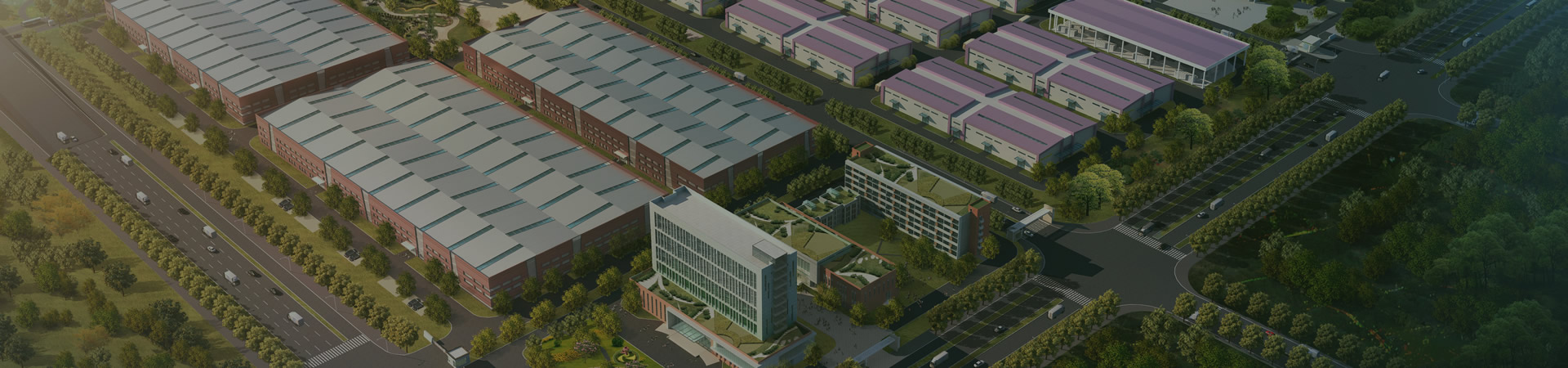
Focusing on the "planting–spinning–weaving–garment manufacturing" chain and centering on the Chengnan Textile and Garment Industrial Park, the county is aggressively upgrading infrastructure to create an industrial layout characterized by "one park, multiple zones, complementary functions, and comprehensive supporting facilities." It has implemented a "Chain Leader Enterprise Pilot Plan," using leading enterprises as the core to establish platforms for industrial collaboration. Efforts are twofold: attracting leading enterprises in spinning, weaving, and garment processing while actively guiding local businesses to expand into the downstream segments of the chain. Small and micro textile and garment factories are encouraged to standardize operations and grow through collective cooperation. Through this dual approach of "attraction and cultivation," a complete industry chain—spanning from cotton processing and spinning/weaving to garment manufacturing—has been established. By the end of 2025, the county is home to 22 textile and garment enterprises above designated size, boasting a capacity of 2.26 million spindles and 2,050 weaving looms, with an annual processing volume of 2 million garments. The output value of cotton textile processing stands at 2 billion yuan, while the total output value across the entire industry chain has reached 6.985 billion yuan.
III. Boosting Employment and Efficiency; Expanding Avenues for Prosperity
A plan to synergize industrial development with talent cultivation has been implemented. By strengthening partnerships with research institutions and expert technical teams—and by effectively delivering subsidies for employment, insurance, and training—the county has cultivated a workforce of high-quality farmers, industrial workers, and technical experts to drive high-quality industrial growth. The entire industry chain supports a total of 22,000 jobs, accounting for 20% of the county's total employment. Textile and garment enterprises directly employ 3,500 people—25% of whom are from households lifted out of poverty or those under monitoring for poverty risk. Average monthly wages exceed 3,000 yuan, rising to 4,500 yuan for skilled workers and surpassing 7,000 yuan for middle-level managers, thereby enabling residents of all ethnic groups to secure stable employment and achieve sustained income growth close to home. Leveraging mature technical processes and a year-round production model, the industry offers employees a stable work environment and opportunities for continued income growth, yielding remarkable results in "gathering people through industry" and "retaining people through employment."